
MAN Puts Hydrogen Trucks on Bavarian Roads. Here Is Why That Matters

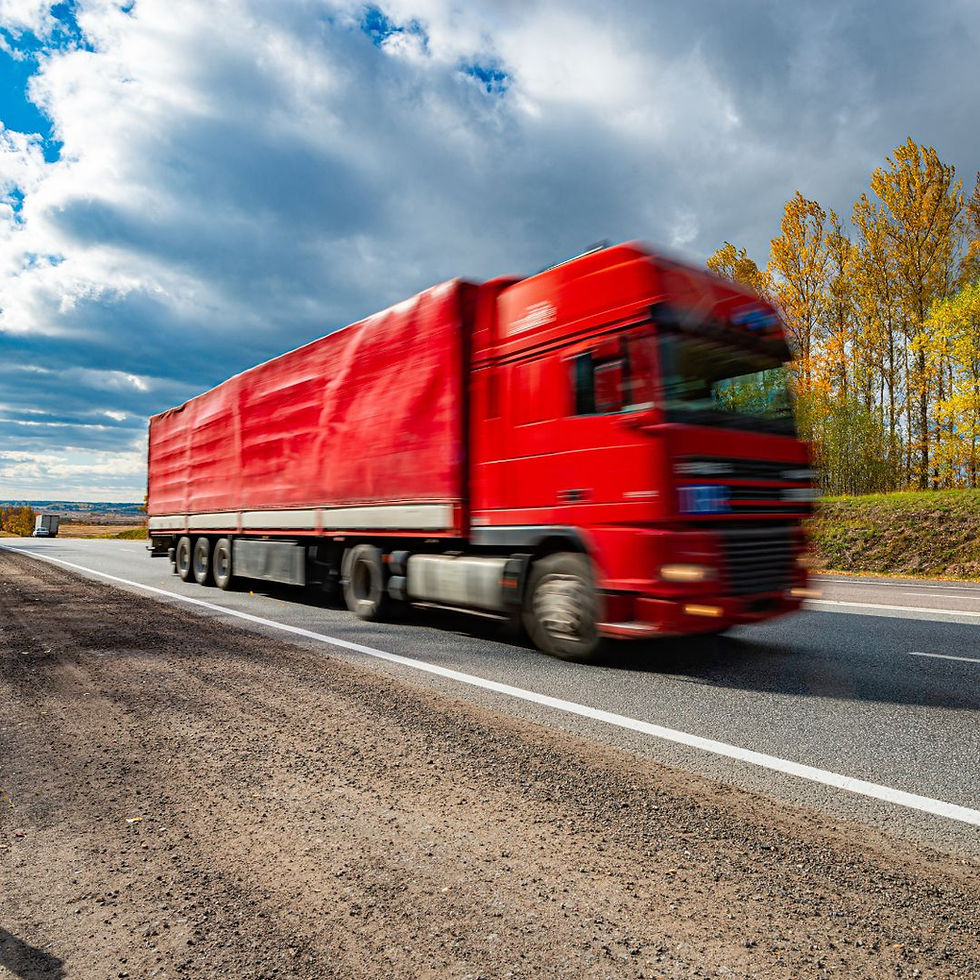
Three fuel cell trucks left the depot in July 2026 and started hauling real freight between Munich, Dachau, and Nuremberg. That handoff, from MAN Truck and Bus to its in house logistics arm Loadfox, closes out the research phase of the Bayernflotte project and opens something more consequential: a stretch of regional operation in which hydrogen trucks run under the same pressure as diesel ones, tight delivery schedules, variable freight loads, and no real forgiveness for downtime (Jack, 2026; MAN Truck & Bus SE, 2026).
The trial sits inside an 8.5 million euro, roughly 9.8 million dollar, state funded research program backed by Bavaria's Ministry of Economic Affairs, Regional Development and Energy. The 42 tonne trucks run on a 350 kilowatt Bosch fuel cell, supported by a battery system that adds propulsion during peak loads, and they carry a claimed range of about 500 kilometers on 700 bar hydrogen tanks from Forvia. ZF supplied the dual electric drive axle that turns the electrical output into motion (Jack, 2026; MAN Truck & Bus SE, 2026). Hydrogen refueling infrastructure across Bavaria remains sparse compared with the diesel network, so the routes chosen for this trial cluster deliberately around existing stations near Munich and Nuremberg, a constraint that shapes where fuel cell freight can realistically operate today.
So what does a regional delivery run in southern Germany actually tell the broader hydrogen economy? It tells us where hydrogen earns its keep under real policy pressure, not just engineering optimism. Germany has been tightening the rules through its GHG Quota system, which layers renewable fuel of non biological origin mandates onto transport at a pace that exceeds the European Union's Renewable Energy Directive III. Those mandates require RFNBOs to reach 0.1 percent of transport energy demand in 2026, climbing to 1.2 percent by 2030 and 10 percent by 2040. That is not a distant target. It is a compliance clock that fleet operators, fuel suppliers, and manufacturers like MAN are already running against, and green hydrogen for heavy trucks is one of the few credible ways to hit those numbers at scale.
Fuel cell trucks earn credit under that framework because of range and refueling speed, two things battery electric trucks still struggle to match on long haul or time sensitive routes. A tank that fills in minutes and delivers 500 kilometers changes the calculus for operators who cannot absorb a lengthy charging stop mid route. But the criticism that follows fuel cell trucks everywhere is real too: converting electricity into hydrogen and back into electricity again loses a meaningful share of the original energy, which is why battery electric trucks remain the more efficient choice on routes where charging infrastructure already exists. Industry estimates put that round trip efficiency loss at roughly half the original electricity input, a gap battery advocates raise whenever the two technologies are compared head to head. Bayernflotte is not trying to settle that argument. It is generating the operating data, cost per kilometer, uptime, hydrogen consumption under real loads, that will tell Traton Group and the rest of the industry exactly where the fuel cell case holds up and where it does not.
There is also a second, quite different hydrogen pathway running in parallel at MAN that is well worth noting here. In April 2024, MAN launched an initial series of 200 hTGX trucks powered by a hydrogen combustion engine rather than a fuel cell, a six cylinder, 383 kilowatt unit built with parts supplied by German components maker MAHLE. Running both a combustion engine program and a fuel cell hydrogen program at the same time signals that MAN is deliberately hedging across technology paths rather than betting the company on a single hydrogen bet, and it gives regulators and fleet buyers two distinct cost and performance profiles to weigh against the RFNBO mandate timeline.
T
he data generated during Bayernflotte will feed directly into Traton Group's next generation hydrogen vehicle development, turning a regional freight run into an engineering feedback loop rather than a one off demonstration (MAN Truck & Bus SE, 2026). That feedback loop matters more than the headline trial itself. Every kilogram of hydrogen these trucks burn still has to come from somewhere, and whether that hydrogen is produced from renewable electricity or unabated natural gas will determine whether this program actually advances Germany's climate goals or simply shifts emissions upstream. The RFNBO mandate exists precisely to force that distinction, pushing supply toward renewable hydrogen rather than any hydrogen.
None of this fully settles whether hydrogen or batteries ultimately win heavy freight. What Bayernflotte does is narrow the uncertainty with real operating hours instead of laboratory projections, inside a regulatory environment that is actively rewarding renewable hydrogen adoption. For fleet operators watching from the sidelines, these trucks moving between Munich and Nuremberg are effectively running a public audit of hydrogen trucking's cost, reliability, and regulatory fit. For policymakers in Bavaria and in Brussels, the results will inform how aggressively RFNBO mandates can be enforced without stranding smaller operators who currently lack a viable, affordable low carbon alternative. And for the hydrogen economy overall, this is the kind of unglamorous regional freight run that ultimately decides whether hydrogen trucks become a routine fixture on European highways or remain a well engineered answer still waiting for its market to catch up with the mandate.
References
Jack, C. (2026, August 3). MAN deploys fuel cell trucks in Bavarian funded hydrogen truck trials. gasworld. https://www.gasworld.com/story/man-deploys-fuel-cell-trucks-in-bavarian-funded-hydrogen-truck-trials/2256260.article/
MAN Truck & Bus SE. (2026, July 31). From water to wheels! MAN sends Bayernflotte into everyday operations. MAN Truck & Bus Press Room. https://press.mantruckandbus.com/corporate/from-water-to-wheels-man-sends-bayernflotte-into-everyday-operations/


Comments