
Hyundai Doubles Down on Hydrogen Vehicles with Canada Partnership as Rivals Retreat from Clean Fuel Technology

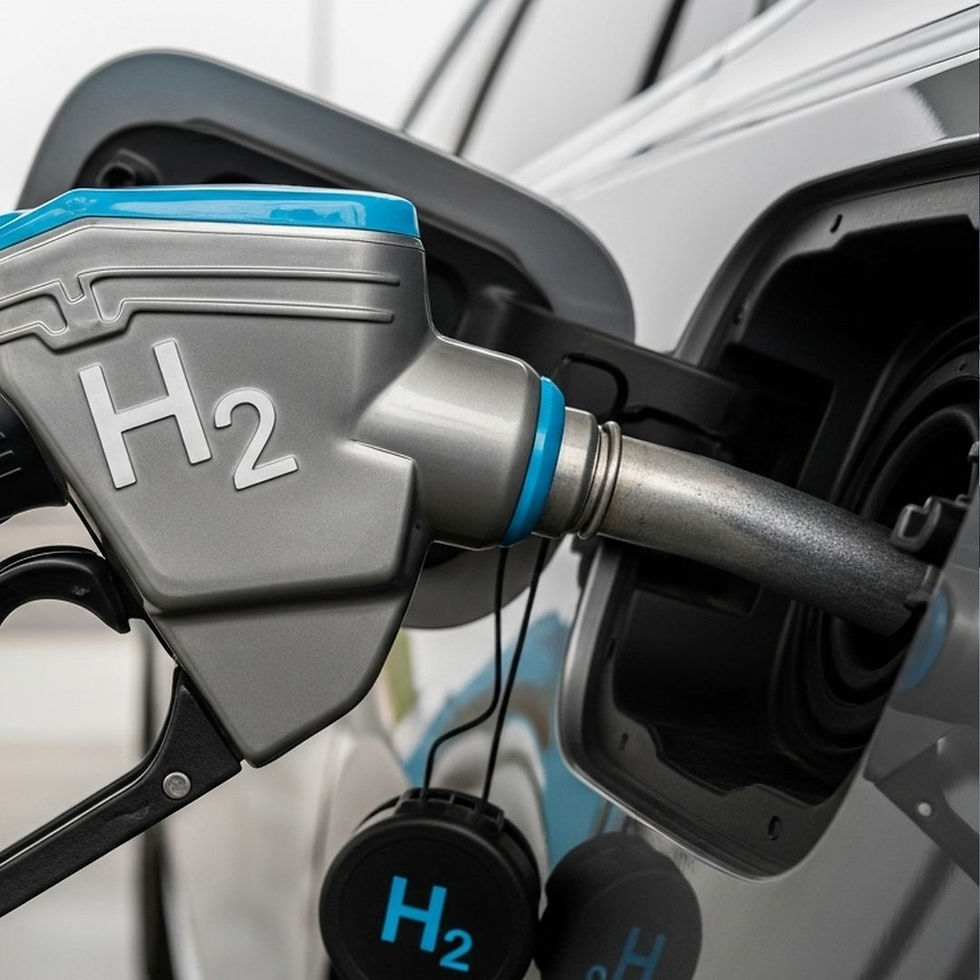
Major Korean automaker explores hydrogen energy collaboration with Canada while competitors abandon fuel cell development, positioning for emerging clean transportation market
While most global automakers retreat from hydrogen fuel cell technology, Hyundai Motor Company is charting a different course by exploring strategic partnerships in Canada's hydrogen energy sector. The South Korean automotive giant confirmed to CBC News that it is reviewing "a range" of collaboration opportunities to support
Canada's clean energy transition, marking a significant divergence from industry trends (Benchetrit, 2026). Though the company does not currently have plans to open an auto manufacturing plant in Canada, Hyundai's interest in hydrogen partnerships signals a long-term commitment to fuel cell vehicle technology at a time when major competitors are abandoning the sector entirely.
Strategic Timing: Canada-South Korea Clean Energy Alliance
The announcement follows closely behind a memorandum of understanding signed between Canada and South Korea covering cooperation in auto manufacturing, battery production, and clean energy infrastructure (Benchetrit, 2026). While Hyundai has no immediate plans for Canadian manufacturing facilities, the company's interest in hydrogen partnerships signals a long-term commitment to fuel cell vehicle technology at a time when major competitors are abandoning the sector entirely.
Hyundai's hydrogen strategy stands in stark contrast to recent decisions by Stellantis, which discontinued its hydrogen fuel cell program last summer, and General Motors, which ended its fuel cell development in October 2024, citing a "long and uncertain" path to profitability (Benchetrit, 2026). This consolidation leaves fewer players competing in what industry analysts project could represent ten percent of the global automotive market, approximately 10 million vehicles annually.
Hydrogen's Competitive Advantages Drive Hyundai's Commitment
Hydrogen fuel cell vehicles offer compelling advantages over battery electric vehicles that align with consumer expectations for conventional vehicle performance. Hydrogen-powered cars deliver longer driving ranges between refueling stops and can be refueled in minutes, similar to gasoline vehicles, rather than the hours required for EV charging (Benchetrit, 2026). These operational benefits make hydrogen particularly attractive for commercial applications and consumers with range anxiety concerns.
The primary obstacle to widespread hydrogen vehicle adoption remains infrastructure development. Creating a comprehensive network of hydrogen refueling stations requires substantial capital investment that most automakers have deemed prohibitive as they simultaneously expand battery electric vehicle programs (Benchetrit, 2026). Hyundai's willingness to pursue this infrastructure challenge reflects confidence in hydrogen's long-term viability despite near-term costs.
Commercial Vehicles Pave the Hydrogen Highway
Flavio Volpe, president of the Automotive Parts Manufacturers' Association in Toronto, notes that Hyundai understands "the hydrogen future starts with the hydrogen present, which is trucks and heavy vehicles" (Benchetrit, 2026). The company demonstrated this vision by unveiling the world's first hydrogen-powered heavy-duty commercial trucks in 2020, establishing a beachhead in the commercial transportation sector where hydrogen's advantages are most pronounced.
Heavy-duty trucking, logistics fleets, and industrial vehicles represent ideal initial markets for hydrogen fuel cells due to predictable routes, centralized refueling infrastructure, and operational requirements that favor hydrogen's quick refueling and extended range capabilities over battery electric alternatives.
Market Position Strengthens Partnership Rationale
Hyundai Motor Group, which includes the Kia brand, commands approximately 12 percent of Canada's automotive market, trailing only Toyota, Ford, and General Motors (Benchetrit, 2026). Canadian consumers purchased over 146,000 Hyundai vehicles and more than 94,000 Kia vehicles in 2025, providing a substantial existing customer base for potential hydrogen vehicle introduction.
This market position makes strategic partnerships with Canadian hydrogen energy producers particularly valuable. Canada possesses significant hydrogen production capabilities spanning from British Columbia's technological innovations to Quebec's fuel source advances, creating opportunities for what Volpe describes as a "pan-Canadian plan" integrating hydrogen production, distribution, and vehicle deployment (Benchetrit, 2026).
Calculated Risks in Emerging Technology
Hyundai's hydrogen commitment hasn't been without challenges. The company recalled approximately 1,600 NEXO fuel cell vehicles in Canada and the United States during 2024 due to fuel leak risks and potential fire hazards (Benchetrit, 2026). Such growing pains are typical for emerging automotive technologies, and Hyundai's response demonstrates commitment to safety while continuing development.
The consolidation of the hydrogen vehicle market presents strategic advantages for remaining participants. With fewer competitors pursuing fuel cell technology, companies like Hyundai can capture larger market shares in a sector that, while smaller than battery electric vehicles, still represents millions of annual unit sales globally. As Volpe notes, niche automotive markets have proven highly profitable for manufacturers like Ferrari, Lamborghini, and Maserati when competition remains limited (Benchetrit, 2026).
Canada's Hydrogen Economy Opportunity
For Canada, partnership with a major automaker like Hyundai validates investments in hydrogen production infrastructure and clean energy technology. The country's vast renewable energy resources, including hydroelectric, wind, and solar capacity, position it to produce green hydrogen at competitive costs while supporting domestic manufacturing and employment.
The potential collaboration extends beyond vehicle manufacturing to encompass the entire hydrogen value chain, from production and storage to distribution infrastructure and end-use applications. This comprehensive approach could establish Canada as a North American hub for hydrogen technology development and deployment, creating economic opportunities while advancing climate goals.
Industry Implications and Market Evolution
Hyundai's strategic direction suggests confidence that hydrogen will capture a meaningful share of the decarbonized transportation market despite current infrastructure limitations. The company's willingness to invest in hydrogen technology while competitors retreat could yield significant competitive advantages if market adoption accelerates or regulatory frameworks evolve to favor fuel cell vehicles for specific applications.
The automotive industry's bifurcation between battery electric and hydrogen fuel cell pathways reflects differing assessments of technological maturity, infrastructure economics, and consumer preferences. Rather than viewing these as competing technologies, industry observers increasingly recognize they serve complementary roles across different vehicle segments and use cases.
Hyundai's Canada exploration represents a calculated bet that hydrogen vehicles will find sustainable market niches, particularly in commercial applications, long-distance transportation, and markets where charging infrastructure deployment faces geographic or economic challenges. Whether this strategy proves prescient or premature will depend on technology costs, infrastructure development, and policy support evolving over the coming decade.
As the clean transportation transition accelerates, Hyundai's commitment to hydrogen technology positions the company to capitalize on market segments where fuel cells offer distinct advantages, while partnerships with resource-rich nations like Canada provide the supply chain foundation necessary for scaling production and distribution infrastructure.
Reference
Benchetrit, J. (2026, January 30). Hyundai interested in Canada's hydrogen energy as it bets on decarbonized cars. CBC News. https://www.cbc.ca/news/business/hyundai-hydrogen-canada-1.7443821


Comments